Here’s a short history of the street where we live in the UNESCO protected historic centre of Lyon, France.
Rue des Augustins, in Lyon’s 1st arrondissement, has a very typical old-town history. It actually developed from a religious site.
Back in the 14th century, Augustinian monks settled here and built a large convent near the Saône. They were quite influential — they were involved in early printing in Lyon and even organized religious plays.
The street itself was only created later, in 1658, on land that belonged to the convent. At that time, it was called Rue Saint-Augustin.
Everything changed during the French Revolution, when the monks were expelled and the site was reused. It became a gendarmerie, and later a school — which eventually turned into the Lycée La Martinière.
Today, the street still follows the original layout of the convent, and you can feel that historic atmosphere, even if it’s quite discreet.
Our building is not in fact famous, but it’s very typical of the area. It was built in 1679 after the convent land was divided and sold.
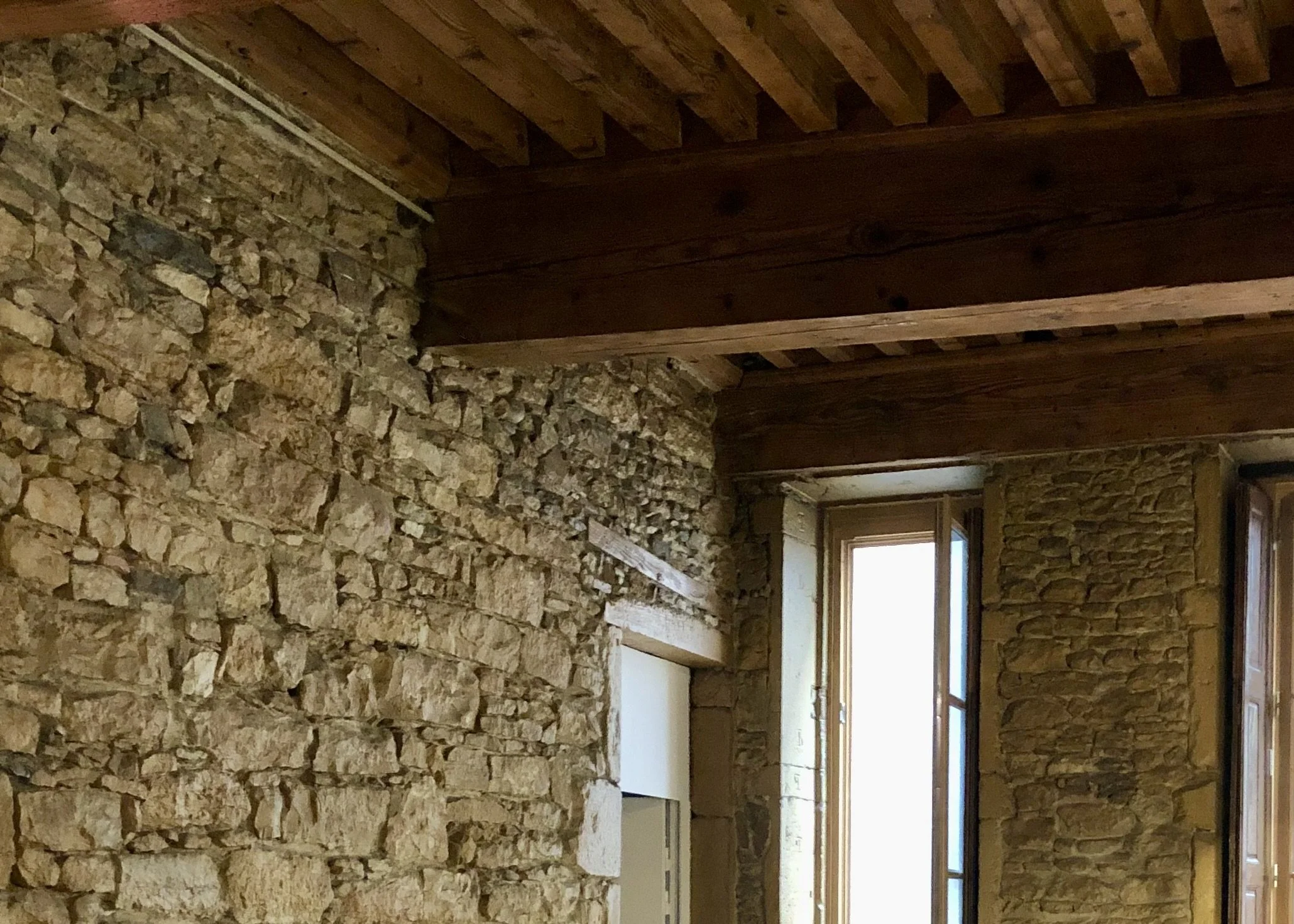
The apartments here are what you’d expect in Lyon’s old centre — high ceilings, exposed beams, exposed stone walls and often unusual layouts. Many of them were originally homes for artisans or silk workers and were modified several times over the centuries.
There’s no official hidden passage, or traboule, at this address, but given the structure of these buildings — with inner courtyards and passageways — it’s quite possible there were private ones in the past.
So overall, this is a good example of a working-class building from the 18th and 19th centuries, shaped by Lyon’s silk and artisan history, and still carrying traces of that past today.
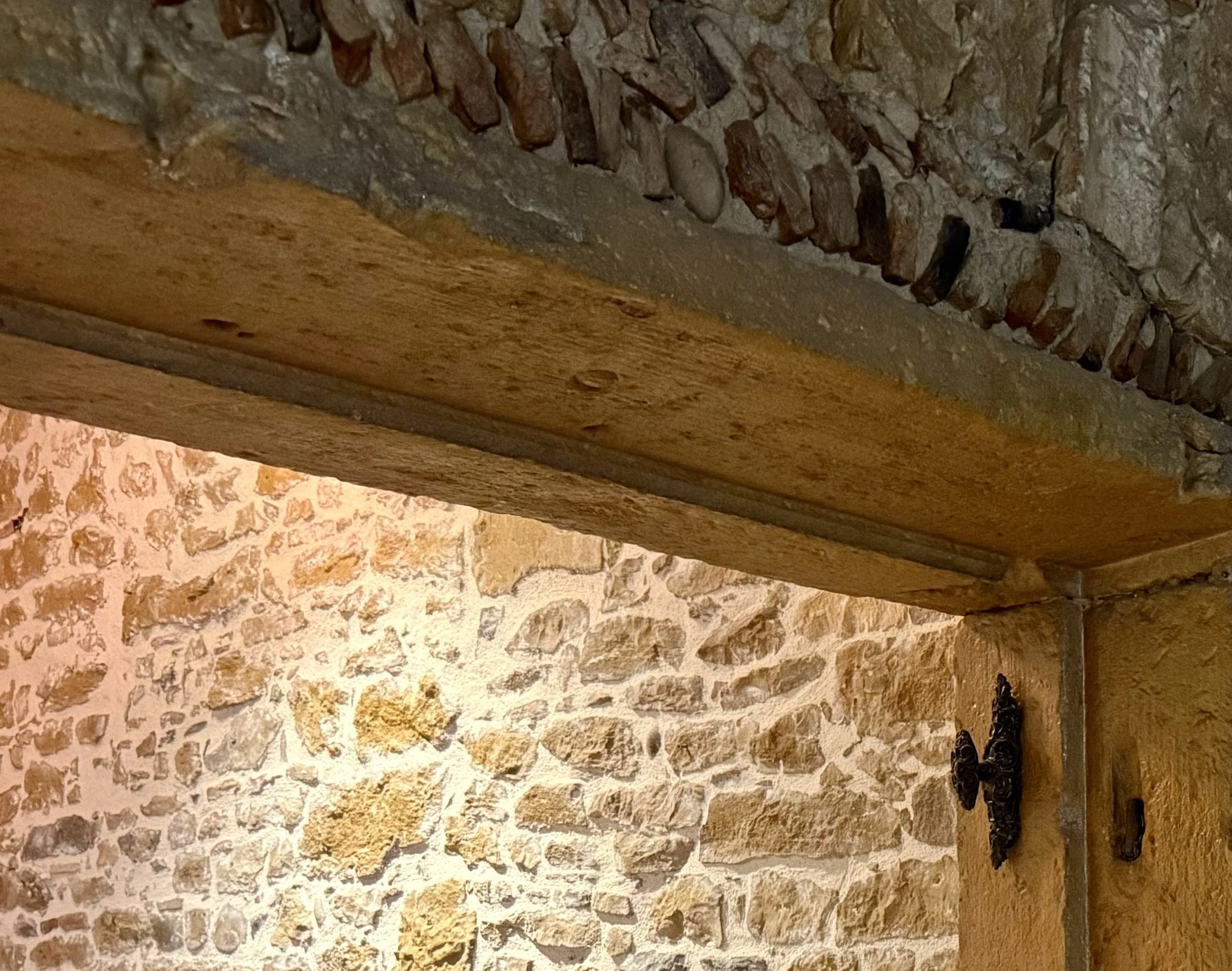
Typical ‘Canut’, rue des Augustins, Lyon.